A tipi wedding gives you something a conventional wedding venue rarely can: a genuinely blank canvas. You can choose the field, shape the layout, decide where guests gather, create your own atmosphere and build a celebration that feels unmistakably yours. But that freedom also means thinking about details a traditional venue would normally handle behind the scenes — including the wedding bar.
The best tipi wedding bars aren’t simply somewhere to collect a drink. They become part of the reception itself: a natural meeting point between the dining tables, dance floor and outdoor seating; somewhere guests return to throughout the day; and, with the right styling, a feature that complements the tipi rather than looking as though it has been dropped into the space at the last minute.
Planning a tipi wedding bar? Start with these essentials:
- Decide where the bar will sit before finalising your tipi layout, not afterwards.
- Consider guest numbers, serving capacity and how people will move between the bar, tables, dance floor and outside areas.
- Match the style of your mobile bar to the atmosphere of the wedding, whether that’s rustic, boho, festival-inspired or more contemporary.
- Plan the whole drinks journey: arrival drinks, table wine, cocktails, draught beer, spirits, non-alcoholic drinks and the evening bar.
- Ask what’s actually included in the bar service — staff, glassware, ice, refrigeration and setup can matter just as much as the drinks themselves.
- Think practically about access, power, water, weather and the logistics of an outdoor wedding venue.
- Build the bar into your wedding décor with flowers, signage, lighting and carefully chosen finishing touches.
- Most importantly, think about the experience. A beautiful bar matters, but a bar that can serve your guests efficiently matters even more.
The key idea: treat the bar as part of your tipi wedding design from day one. When its location, styling, drinks and service are planned together, it can become one of the busiest and most memorable parts of your reception.
Why Tipi Weddings and Mobile Bars Work So Well Together
There is something wonderfully relaxed about a tipi wedding.
Perhaps it’s the timber poles and canvas overhead. Perhaps it’s the sight of a field or garden just beyond the entrance. Or perhaps it’s simply the fact that a tipi doesn’t dictate what your wedding should look like.
You get to decide.
That freedom is precisely why a mobile bar works so naturally in this setting. Rather than adapting your wedding around a permanent venue bar tucked into another room, wedding mobile bar hire allows the drinks service to become part of the celebration you’ve designed.
Your bar might sit inside a giant hat tipi beneath warm lighting. It might occupy a linked tipi of its own. It could be positioned close to the dance floor, creating a lively social hub as evening arrives, or placed where guests can drift between the bar and an outdoor seating area on a warm summer afternoon.
For couples building a celebration from the ground up, Near & Far’s wedding mobile bar service can be incorporated into that wider plan rather than treated as an afterthought.
And that’s important.
At a hotel, the bar is wherever the architect decided to put it. At a tipi wedding, you have the opportunity to ask a much better question:
Where should the bar go to make the wedding work?
That small change in thinking can make an enormous difference to the atmosphere of your day.
Start With the Experience, Not Just the Bar
It’s tempting to begin with appearance.
You see a gorgeous horsebox bar, vintage mobile bar or rustic bar on Pinterest and immediately picture it sitting outside your tipi surrounded by festoon lights and flowers.
There’s nothing wrong with starting with inspiration — but good tipi wedding planning goes one step further.
Think about what guests will actually experience.
Imagine arriving at your wedding as one of them.
You walk towards the tipi. Where are your welcome drinks being served? Where do you naturally gather? When it’s time to sit down, does everybody have to cross the same area being used by the wedding catering team? After dinner, when the live band begins and the dance floor fills, can someone easily reach the bar without pushing through dancers or interrupting seated guests?
Then imagine 100 people trying to do the same thing.
Suddenly, bar position isn’t merely an aesthetic decision.
It’s part of your wedding layout.
Map the Flow of Your Wedding Day
Before settling on a bar setup, sketch out the main stages of the celebration:
- Guest arrival and welcome drinks
- Ceremony, if it’s taking place at the same site
- Drinks reception and photographs
- Wedding breakfast
- Speeches and toast drinks
- Transition into the evening reception
- Live music, DJ or other wedding entertainment
- Evening bar service and dancing
The bar doesn’t necessarily need to perform exactly the same role during every stage.
Arrival drinks, for example, might be served directly to guests rather than requiring everyone to queue at the bar. Table wine can already be waiting for the meal. Later, the bar becomes much more important as guests begin choosing their own drinks.
Thinking in stages helps you plan the wedding drinks service, rather than simply hiring a physical bar.
Choosing the Right Location for a Tipi Wedding Bar
A beautiful bar in the wrong place is still in the wrong place.
Your exact setup will depend on your tipi hire company, number and size of tipis, guest numbers and site, but there are several things worth considering before fixing the final position.
Inside the Tipi
An internal bar keeps the drinks service at the heart of the reception.
This can be especially useful when you’re planning for unpredictable British weather because guests don’t need to leave the covered area every time they want another drink. It can also help create a buzzing evening atmosphere, particularly when the bar area sits reasonably close to the dance floor and entertainment.
But floor space is precious.
Tables, chairs, catering areas, a band or DJ, dance floor, wedding furniture and relaxed seating can consume more room than expected. Add a generously sized wedding bar without planning for it and suddenly the space that looked enormous when empty can feel surprisingly tight.
Ask your tipi supplier to include the proposed bar space in the floor plan.
Don’t just ask, “Will it fit?”
Ask:
- How much room will guests have in front of it?
- Where will a queue naturally form?
- Will that queue obstruct a doorway or walkway?
- Can bar staff move behind it comfortably?
- How close is it to the dance floor?
- How will stock, ice and glassware reach the bar?
- Is there enough room for refrigeration and other equipment?
A tipi layout needs to work when it’s full of people, not just when you’re looking at an empty floor plan.
Outside the Tipi
For a summer wedding, an outdoor bar can create a completely different feeling.
Guests can step out into the sunshine, order a cold beer or cocktail and settle into an outdoor seating area. Add lawn games, seasonal flowers, relaxed seating and festoon lighting and the bar can become the centre of its own little social space.
This works particularly well for a festival wedding, garden wedding or field wedding where you want guests to enjoy the wider setting rather than spending the entire celebration under canvas.
The obvious consideration is weather.
Even if you’re marrying in July, your wet weather plan needs to answer a simple question:
What happens to the bar if it rains for six hours?
A shower is one thing. Persistent wind and rain are another.
Think about shelter for guests waiting to be served, ground conditions, safe electrical connections and whether the bar can continue operating comfortably if everyone suddenly retreats inside the tipi.
Creating an Indoor-Outdoor Bar Area
Often the most interesting solution is somewhere between the two.
Positioning the bar near an entrance can help connect the tipi interior with the outdoor celebration. Guests can move between the two spaces naturally, and the bar becomes a bridge between dinner and dancing inside and fire pits, seating or evening sunshine outside.
This is one reason it’s useful to involve your mobile bar company early. Your tipi supplier understands the structure; your caterer understands food service; your entertainment supplier knows what the band or DJ needs; and your bar team understands the practical requirements of serving drinks.
Get those wedding suppliers talking to each other before the final layout is signed off.
Think Beyond the Horsebox: Choosing a Bar Style
A horsebox bar can look fantastic at an outdoor wedding, but it isn’t the only option.
The best choice depends on the character of your celebration and the space available.
For a relaxed country wedding, you might want something that feels warm, rustic and informal. A boho wedding could lean towards natural textures, abundant florals and relaxed styling. A festival-inspired celebration might suit bold signage, festoon lights and an outdoor cocktail area that comes alive after dark.
A more elegant wedding can take a completely different direction.
Think crisp glassware, carefully chosen Champagne or Prosecco, a restrained drinks menu and sophisticated floral styling around the bar. Tipis don’t have to mean rustic.
That’s the beauty of them.
Your wedding theme can be as relaxed or refined as you want it to be.
When choosing your bar style, consider:
- The tipi itself and its interior finishes
- Your flowers and overall wedding décor
- Tables, chairs and other wedding furniture
- Wedding signage and stationery
- Lighting
- The season
- Your chosen drinks menu
- Whether the bar is inside or outside
- How the bar will look during both daylight and evening
You can also take inspiration from the story behind the people running the bar. If personality and independent suppliers matter to you, you can learn more about Near & Far and consider whether that approach fits the atmosphere you’re creating.
Make the Bar Part of the Wedding Décor
One of the easiest mistakes is designing every visible element of a tipi wedding beautifully and then treating the bar as purely functional.
It doesn’t need to be.
The bar is likely to appear in photographs. Guests will stand around it. They’ll lean against it while chatting. They’ll see it repeatedly throughout the reception.
So style it deliberately.
Flowers and Greenery
Talk to your florist about carrying elements of your main arrangements into the bar area.
You don’t necessarily need another enormous installation. A smaller arrangement using the same seasonal flowers and foliage can be enough to connect the bar visually with the rest of the wedding.
For a rustic wedding, greenery can soften the transition between the structure of the bar and the surrounding countryside. For something more polished, restrained floral arrangements can give the space a cleaner look.
Lighting
Lighting completely changes a tipi after sunset.
During the afternoon, canvas, timber and natural daylight do most of the work. As dusk arrives, wedding lighting starts shaping the atmosphere.
Fairy lights overhead can bring warmth to the tipi interior. Festoon lights can define the path towards an outdoor bar or chill-out area. Carefully positioned bar lighting can make bottles, glassware, flowers and signage part of the evening décor.
The practical rule is simple: guests need to see what they’re ordering, and bar staff need enough light to work safely.
After that, you can have fun.
Bar Signage
A personalised bar sign or beautifully designed wedding drinks menu can be both decorative and genuinely useful.
Instead of guests reaching the front and spending several minutes deciding what they want, a clearly visible menu allows them to choose while they wait.
Consider displaying:
- Signature cocktails
- Draught beer or lager
- Wine and Prosecco
- Spirits and mixers
- Cider
- Mocktails
- Alcohol-free beer or fizz
- Soft drinks
- Any locally sourced or particularly meaningful drinks
You could even name bespoke cocktails after places, memories, pets or moments from your relationship.
Just keep readability in mind.
The most beautiful handwritten sign in Britain isn’t particularly helpful if nobody can decipher it after sunset.
Plan Your Drinks Around the Day
The phrase wedding drinks package can make the whole thing sound rather fixed: choose package A, B or C and you’re finished.
A tipi wedding gives you scope to think differently.
Instead, consider the drinks your guests might enjoy at each stage.
Arrival Drinks
The first drink helps set the tone.
For a summer wedding, that could be chilled Prosecco, beer, a spritz or a refreshing cocktail. For autumn, perhaps something with a little more warmth and depth.
Don’t overlook non-alcoholic drinks.
An alcohol-free option shouldn’t feel like the disappointing substitute sitting beside the “real” welcome drink. A thoughtfully prepared mocktail, premium soft drink or alcohol-free fizz means non-drinkers, designated drivers, pregnant guests and anyone simply choosing not to drink can still enjoy the same sense of occasion.
Drinks With the Meal
This is where table wine, water and toast drinks usually come into the picture.
How much you need will depend on your guest list and drinking preferences, so avoid assuming every person will consume the same amount. Children and non-drinkers change the calculation, as do guests who prefer beer or spirits to wine.
Your wedding budget matters too.
Rather than paying for drinks nobody particularly wants, think about what your guests are realistically likely to enjoy.
The Evening Bar
Once dinner and speeches are over, the rhythm changes.
The dance floor opens. The live band starts. Jackets come off. Someone who was absolutely certain they weren’t going to dance is suddenly leading a questionable rendition of a 1990s classic.
This is when the wedding bar really earns its place.
Speed of service becomes important, particularly around predictable rushes. A gorgeous cocktail menu containing twelve elaborate drinks might sound appealing, but if every cocktail takes several minutes to make, you’ve created a queue rather than an experience.
A shorter, well-designed menu can often be more effective.
That’s where experienced mobile bar hire for weddings and events can be valuable: the physical setup, staffing and drinks offering need to work together when the reception is at its busiest.
And that leads to one of the biggest decisions in planning your tipi wedding bar: exactly how are you going to pay for the drinks?
Free Bar, Cash Bar or Something in Between?
There isn’t one correct way to pay for drinks at a tipi wedding.
Your decision will depend on your wedding budget, guest numbers, the length of your reception and the sort of atmosphere you want to create.
Broadly, most couples will consider some version of a free bar, cash bar or hybrid bar service.
The Free Bar
A free bar is exactly what guests hope it sounds like: drinks are paid for by the couple or wedding hosts rather than individually by guests.
It can create a wonderfully generous atmosphere, but costs obviously need to be considered carefully.
An unlimited free bar doesn’t have to mean offering every conceivable drink. A thoughtfully selected menu of beer, wine, Prosecco, spirits, mixers, soft drinks and perhaps a couple of signature cocktails can still provide plenty of choice while keeping the offering manageable.
If you’re considering this approach, establish:
- Which drinks are included
- Whether cocktails are included
- When the free bar begins and ends
- Whether premium spirits are available
- How non-alcoholic drinks are handled
- Whether there is a spending limit
- What happens if that limit is reached
Agreeing these details beforehand prevents ambiguity on the day.
The Cash Bar
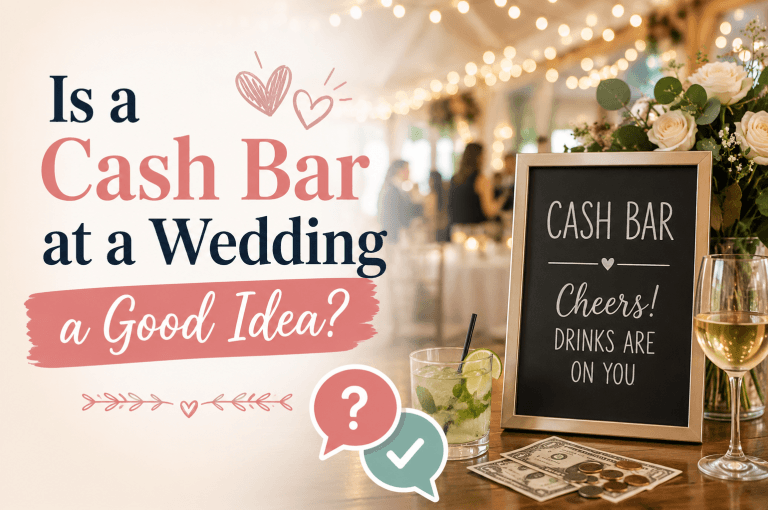
A cash bar means guests purchase their own drinks, although the name is slightly misleading these days because card and contactless payments may be just as important as actual cash.
For couples working within a tighter wedding budget, this can remove a substantial variable from overall costs.
But don’t think only about who’s paying.
Ask how payment will affect service speed.
If every transaction involves ordering, preparing a drink and taking payment, the bar needs enough staff and an efficient setup to prevent queues building during busy periods.
It’s also worth checking payment connectivity at your chosen outdoor wedding venue. A beautiful field in the countryside might be perfect for your celebration while being considerably less perfect for a card terminal that needs a reliable connection.
The Hybrid Bar
For many tipi weddings, the most flexible answer sits somewhere in the middle.
A hybrid bar service could mean providing welcome drinks, table wine and Champagne or Prosecco for the toast before switching to a paid bar in the evening.
Alternatively, you might place a predetermined amount behind the bar.
Guests enjoy drinks until that allowance has been used, after which the bar switches to individual payments.
Another option is to provide certain drinks — perhaps beer, wine and soft drinks — while guests pay for cocktails and spirits themselves.
This approach gives you control over your wedding bar budget without removing the feeling that drinks are part of your hospitality.
Planning tip: don’t decide between a free bar and paid bar in isolation. Work out what you’re already providing during the arrival, wedding breakfast and toast first. You may discover that guests are already being treated to several drinks before the evening bar even opens.
Understand Your Wedding Bar Costs Before Booking
Wedding bar prices can be difficult to compare because two quotes that look similar at first glance may include very different things.
One mobile bar company might quote primarily for the physical bar. Another might be providing a full bar service that includes setup, professional bartenders, glassware, ice, refrigeration, stock and clearing away afterwards.
So when comparing wedding bar packages, look beyond the headline figure.
Ask what the price actually includes.
You may need to consider:
- Bar hire or booking fee
- Minimum bar spend
- Staff and bartender costs
- Travel
- Setup and breakdown
- Glassware
- Ice
- Refrigeration
- Drinks stock
- Draught equipment
- Garnishes and cocktail ingredients
- Card-processing arrangements
- Waste and glass collection
- Licensing requirements
- Additional hours of service
A quote that initially appears more expensive can represent better value if it already includes several items you’d otherwise need to source separately.
Likewise, a seemingly inexpensive dry hire bar may make perfect sense if you’re deliberately organising the drinks and service yourself — but less sense if you later discover you need to separately arrange staff, glasses, cooling, stock and equipment.
Compare like with like.
Ask About Minimum Spend
Some wedding bar hire arrangements involve a minimum bar spend.
In simple terms, this means an agreed minimum level of bar sales is expected during the event. The exact arrangement can vary between suppliers, so make sure you understand the terms rather than assuming all minimum-spend models operate identically.
Guest numbers obviously matter here.
A wedding of 150 adults with a long evening reception is very different from an intimate celebration of 40 people, particularly if you’re already supplying substantial quantities of table drinks.
Give your bar supplier realistic numbers and explain how the day will work.
The more they know, the more accurately they can help you plan.
How Much Will Your Wedding Guests Actually Drink?
This is the question couples would dearly love to answer with a neat formula.
Unfortunately, people aren’t spreadsheets.
Two weddings with identical guest numbers can consume completely different quantities of drinks.
Guest demographics matter. So does the weather. The duration of your celebration matters. Your drinks menu matters. Whether people are driving matters. The amount of alcohol already served with dinner matters.
Even the atmosphere can make a difference.
Rather than obsessing over a supposedly perfect number of drinks per guest, divide your wedding guest list into broad groups.
Think about:
- Adults likely to drink alcohol
- Adults who won’t drink alcohol
- Children
- Guests who are driving
- Guests staying locally
- Guests who predominantly drink beer or cider
- Wine drinkers
- Cocktail and spirit drinkers
You don’t need to interrogate Aunt Susan about her anticipated gin consumption.
You’re simply trying to build a more realistic picture.
For a tipi wedding where taxis, accommodation or camping mean many guests aren’t driving home immediately, evening bar demand could look very different from a wedding where most people need to leave by car.
This is another reason to think about taxis and transport during your wider wedding planning rather than leaving them until the final week.
Create a Drinks Menu That Feels Like Your Wedding
Your drinks menu is an opportunity to add personality without making life unnecessarily complicated.
You don’t need dozens of options.
In fact, a concise menu that has been properly thought through can feel far more intentional.
Beer and Cider
Cold beer and cider naturally suit relaxed outdoor celebrations, particularly during warmer months.
If you’re considering draught beer, talk to the bar company about the equipment and practical requirements involved. Draught systems need more planning than putting bottles into an ice bucket, so establish what’s possible at your venue early.
You might also include craft beer or something produced locally to give the drinks menu a regional touch.
Wine, Fizz and Champagne
Wine often performs several jobs during a wedding.
It might appear as part of the arrival drinks, sit on tables during the meal and return as Champagne or Prosecco for the speeches.
Think about the whole day’s quantities rather than calculating each stage independently.
If a guest has already enjoyed two glasses of wine with dinner and a glass of fizz for the toast, that will probably affect what they order immediately afterwards.
Spirits
You don’t necessarily need an enormous back bar.
A carefully selected range of popular spirits with good mixers can give guests plenty of choice without turning the bar into an exercise in stock management.
If particular drinks have meaning to you, include them.
Maybe one of you loves gin while the other always orders rum. Perhaps there’s a whisky associated with a favourite trip. Those details make the drinks offering feel personal rather than generic.
Don’t Treat Alcohol-Free Drinks as an Afterthought
This deserves repeating.
Non-alcoholic drinks should be part of the planning conversation from the beginning.
There is far more you can offer than orange juice and cola.
Depending on your bar service, possibilities could include:
- Alcohol-free fizz
- Zero-alcohol beer
- Premium tonics and sodas
- Mocktails
- Elderflower-based drinks
- Fresh lemonade
- Fruit spritzes
- Alcohol-free versions of signature cocktails
A guest choosing not to drink alcohol shouldn’t receive a less celebratory experience.
Signature Cocktails: Personal Without Becoming Impractical
A tipi wedding and a cocktail bar are a natural pairing.
There is something about ordering a freshly made drink under fairy lights while music plays and the sun disappears over a field that feels exactly right.
But cocktails introduce an important operational consideration:
time.
If you have 120 guests and everybody arrives at the bar immediately after dinner wanting a cocktail requiring muddling, shaking, straining and six separate ingredients, even brilliant bar staff are going to face a challenge.
This is why signature cocktails can work so well.
Instead of presenting an enormous cocktail menu, choose perhaps two or three drinks that represent you.
For example:
- One bright, refreshing drink for summer
- One richer or more spirit-forward option
- One carefully designed alcohol-free cocktail
Your bartenders can become extremely efficient at preparing a smaller selection, ingredients are easier to manage and your personalised drinks menu remains interesting without becoming overwhelming.
Give Your Cocktails a Story
This is where you can be playful.
A bespoke cocktail could reference:
- Where you first met
- Your first holiday together
- Your wedding location
- Your pets
- A shared hobby
- Your surnames
- A running joke between friends
- Your favourite flavours
You don’t need to call them “His & Hers” cocktails either.
They’re your drinks. Name them however you like.
Just make sure the names don’t leave guests completely mystified about what’s actually in the glass.
A short ingredient description beneath each cocktail name solves that problem beautifully.
Staffing Matters More Than Couples Often Realise
A wedding bar can be beautiful, fully stocked and brilliantly positioned — and still frustrate guests if it doesn’t have sufficient people serving.
Your bar staff are a major part of the experience.
They aren’t simply pouring drinks.
They’re greeting guests, making recommendations, preparing cocktails, handling payments, replenishing glasses, restocking, keeping the serving area tidy and dealing with those inevitable moments when somebody approaches the bar and says:
“Can you make that cocktail, but without three of the ingredients?”
Good professional bartenders keep everything moving.
Match Staffing to Guest Numbers and Menu Complexity
There’s no universal staff-to-guest ratio that suits every event because service requirements vary enormously.
A straightforward beer, wine and spirits menu is very different from a menu dominated by individually prepared cocktails.
A free bar can behave differently from a paid bar because transactions don’t require payment.
Arrival drinks can sometimes be prepared in advance, while an evening cocktail rush happens in real time.
When discussing staffing, tell the supplier:
- Your expected guest numbers
- The approximate age mix
- Your proposed drinks menu
- Whether the bar is free, paid or hybrid
- Whether cocktails are being served
- When you expect the busiest periods
- The planned bar opening times
- Whether arrival drinks and table drinks are also being supplied
Don’t simply ask, “How many bartenders do we need?”
Give them the information needed to answer properly.
Plan for the Rushes
Wedding bar demand isn’t evenly distributed across eight hours.
It comes in waves.
There might be a rush immediately after the ceremony, another when dinner finishes, another after the speeches and a particularly enthusiastic one when the band takes a break.
Those peaks are what your bar setup needs to handle.
A few simple decisions can help.
Pre-prepare where sensible. Arrival drinks don’t necessarily need to be individually ordered.
Keep menus visible. Guests who know what they want before reaching the bartender order faster.
Avoid an unnecessarily enormous cocktail list. Choice is wonderful until choice creates a ten-minute queue.
Position the bar intelligently. Don’t squeeze the serving area into a bottleneck.
Provide water separately if practical. Guests shouldn’t necessarily have to queue at a busy cocktail bar every time they want a glass of water.
The aim isn’t to rush anybody.
It’s to create a bar that feels relaxed because the work behind it has been carefully planned.
The Practical Side of a Tipi Wedding Bar
This is where the glamorous Pinterest board meets a field.
A permanent wedding venue already has electricity, running water, solid flooring, refrigeration and established service areas.
A tipi wedding venue may have some, all or none of those things.
That’s part of its charm — but it means logistics deserve proper attention.
Power Supply
Establish exactly what requires electricity.
Depending on the setup, this could include:
- Bar refrigeration
- Lighting
- Draught equipment
- Card-payment equipment
- Catering equipment
- Band or DJ equipment
- General tipi lighting
- Other wedding suppliers
If generator hire is required, don’t simply add up the headline wattage and hope for the best.
Your tipi company, bar supplier, caterer and entertainment providers should clarify their requirements so the site’s power supply can be planned as a whole.
This is particularly important if several suppliers are expecting to plug into the same source.
Refrigeration
Warm Champagne is memorable.
Just not in the way you want.
Outdoor weddings can require substantial cooling capacity, especially during summer. Beer, wine, mixers, soft drinks, garnishes and other stock may all need to remain properly chilled throughout the event.
Ask where refrigerated stock will be stored.
Will everything fit behind the bar? Is separate refrigeration needed? Is there a fridge trailer or catering annex? How quickly can bartenders replenish stock during busy periods?
The invisible infrastructure behind a wedding bar is what allows the visible part to look effortless.
Water
Ask whether the bar requires access to water and, if so, what type of access is needed.
Never assume “there’s a tap somewhere on the farm” automatically solves the problem.
Establish where it is, how far it is from the bar and what your suppliers actually require.
The same principle applies to wedding catering.
Your caterer and bar team may both need access to site facilities, so coordinate those requirements rather than planning each supplier independently.
Glassware, Ice and the Things Nobody Puts on Pinterest
Nobody creates a wedding mood board titled Glass Collection Strategy.
Perhaps they should.
Because these mundane details can have an outsized effect on how smoothly an outdoor wedding runs.
Glassware
Find out whether glassware is included in your bar package.
Then ask what happens after a glass leaves the bar.
At a traditional venue, staff are usually collecting glasses continuously. At a sprawling outdoor wedding, they can migrate astonishing distances.
You’ll find them on tables.
Beside the dance floor.
Around the fire pit.
Near outdoor seating.
And, somehow, in a corner nobody remembers anybody visiting.
If the bar supplier handles glass collection, excellent. If not, establish whose responsibility it is.
Ice
Never underestimate ice.
A busy summer wedding can use a surprising amount, particularly when cocktails and spirits form a major part of the drinks menu.
Your bar provider should be able to plan requirements, but storage matters too. Twenty bags of ice aren’t particularly useful if half of them have become water before the evening reception begins.
Waste and Recycling
Bottles, cans, packaging, fruit, straws, napkins and other bar waste need somewhere to go.
Discuss rubbish disposal and recycling with the venue, tipi company and bar supplier so everybody knows who is responsible for what.
This isn’t the exciting part of tipi wedding planning.
It is, however, the difference between a well-managed event and waking up the following morning to discover your beautiful field looks like the aftermath of a small festival.
Licensing: Ask Early, Not the Week Before
Alcohol licensing can depend on the location, event and arrangement being used, so this is one area where assumptions are particularly unhelpful.
Ask your bar provider and venue what licensing arrangements apply to your wedding and who is responsible for them.
Depending on the circumstances, that may involve a temporary event notice or other alcohol-licensing requirements.
The important point isn’t to become an expert in licensing yourself.
It’s to establish, in writing:
- What permissions are required
- Who is responsible for obtaining them
- Whether they’re already covered
- Whether there are restrictions affecting bar hours
- What information your suppliers need from you
- When everything must be confirmed
Do this early enough that any necessary arrangements can actually be made.
Your Wet Weather Plan Needs to Include the Bar
Every outdoor wedding needs a Plan B.
And ideally a Plan C that isn’t simply “pretend the forecast isn’t happening.”
British weather can be magnificent. It can also deliver sunshine, wind and horizontal rain before lunch.
Your wet weather plan therefore needs to include the bar.
If you’re using an outdoor mobile bar or horse trailer bar, consider what happens if:
- Heavy rain begins during the drinks reception
- The ground becomes muddy
- Strong wind makes external structures impractical
- Guests all move inside simultaneously
- Outdoor electrical connections need additional protection
- Access routes become difficult
- Temperatures drop sharply after sunset
This doesn’t mean you shouldn’t plan an outdoor bar.
Far from it.
Some of the most atmospheric tipi celebrations make fantastic use of the outdoor space.
It simply means the backup plan should be as carefully considered as the sunny-weather plan.
Think About Guests Too
If guests need to walk outside to reach the bar, toilets or other facilities, consider pathways and lighting.
A field that’s perfectly easy to cross at 3pm can feel very different at 11pm after rain.
Likewise, think about accessibility.
Guests with limited mobility shouldn’t discover on arrival that reaching an important part of the reception involves negotiating uneven ground, mud or a poorly illuminated route.
Good outdoor wedding planning is about making the relaxed experience feel effortless for everyone.
Bring Your Wedding Suppliers Together
One of the smartest things you can do when organising a tipi wedding is stop thinking of every supplier as a separate island.
Your bar affects the tipi layout.
The tipi layout affects the caterer.
The caterer and bar may affect power and water requirements.
The band affects the dance floor.
The dance floor affects guest movement.
Guest movement affects where the bar queue forms.
Lighting affects all of it.
See the pattern?
Your key wedding suppliers don’t necessarily need a committee meeting worthy of a multinational corporation, but they should have the practical information required to work around each other.
Before the final plan is agreed, make sure responsibilities are clear for:
- Tipi setup and layout
- Bar location and access
- Catering area
- Electrical power and generator capacity
- Water requirements
- Refrigeration
- Toilet hire
- Waste and recycling
- Entertainment and dance-floor position
- Outdoor lighting
- Parking and supplier access
- Wet-weather contingencies
That coordination becomes particularly valuable in the final weeks, when dozens of small decisions suddenly need to fit together.
If you’re at the stage of working out what bar arrangement would suit your own tipi celebration, you can contact Near & Far to discuss your wedding plans and explain the venue, date, guest numbers and kind of drinks service you have in mind.
The earlier those practical conversations happen, the easier it becomes to make the creative ideas work.
Now Comes the Fun Part: Turning the Bar Into an Experience
Once the practical foundations are sorted — budget, staffing, drinks, licensing, power, refrigeration, glassware and weather planning — you can return to the part that probably made you choose a tipi wedding in the first place.
Creating something memorable.
Because your bar doesn’t have to feel like an isolated supplier stationed in the corner of a field.
It can become part of the story of the wedding.
And in the final part, we’ll bring everything together: tipi bar styling ideas, outdoor cocktail areas, lighting and evening atmosphere, sustainable bar choices, guest comfort, a complete mobile bar hire checklist, questions to ask before booking, and the final timeline for planning your tipi wedding bar without last-minute surprises.
Make Your Tipi Bar Feel Like Part of the Celebration
Once the practical decisions are made, you can start thinking about the bar as more than somewhere drinks are served.
This is where tipi wedding inspiration gets interesting.
Unlike a permanent venue bar, a mobile wedding bar can become part of the visual language of your day. It can echo your flowers, signage, colours and lighting. It can feel relaxed and rustic, polished and contemporary, or somewhere in between.
And because guests naturally gather around a bar, even relatively simple styling can have a big impact.
The trick is not to decorate every available surface.
Instead, choose a few elements that connect the bar with the rest of your wedding.
Bring Your Flowers to the Bar
If seasonal flowers are already appearing throughout your wedding décor, continue them around the bar.
That could mean a floral arrangement on the counter, foliage around signage or a larger installation positioned nearby.
You can also use flowers to visually connect an outdoor bar with the tipi entrance.
There is no requirement for everything to match perfectly. In fact, tipi weddings often look their best when the styling feels organic rather than overly coordinated.
The aim is simply to make the bar look as though it belongs there.
Use Lighting to Change the Mood After Dark
A bar that looks fantastic at 3pm can almost disappear once darkness falls.
Plan for both.
Festoon lights work particularly well around outdoor areas because they can help define a social space after sunset. Fairy lights inside the tipi create a softer effect, while carefully positioned lighting around the bar makes drinks menus and signage easier to read.
Candles and lanterns can add atmosphere too, subject to whatever safety requirements apply to your tipi and venue.
Think in layers.
You might have general wedding lighting throughout the tipi, practical lighting around the bar and softer decorative lighting around nearby seating.
By evening, those separate elements combine to create the atmosphere.
Create an Outdoor Cocktail Area
If your site and weather allow it, why stop at an outdoor bar?
Create an entire outdoor cocktail area.
Give guests somewhere to sit with their drinks rather than immediately returning to their tables.
Depending on your wedding theme, this might include:
- Benches or informal outdoor seating
- Sofas and relaxed furniture
- Cable reels or rustic tables
- Rugs and cushions
- Lanterns
- Festoon lighting
- Floral arrangements
- Wedding signage
- Fire pits positioned safely away from structures
- Lawn games during the afternoon
During a summer wedding, this can become one of the most popular areas of the venue.
It also gives guests who aren’t dancing somewhere comfortable to socialise once the evening reception begins.
That’s an important detail.
Not everybody wants to spend five hours on the dance floor.
A chill-out area near the bar gives different generations somewhere to talk without feeling removed from the celebration.
Think About the Transition Into Evening
One of the loveliest things about a field or garden wedding is watching the atmosphere change naturally throughout the day.
In the afternoon, the outside space might feel bright, open and informal.
Then the sun begins to set.
The festoon lights become visible. Fire pits are lit. Jackets appear. The band starts playing inside the tipi while guests drift between the dance floor and outdoor seating with drinks in hand.
Design for that transition.
A tipi wedding isn’t one static scene.
It evolves over several hours.
Use the Bar to Add Personality
Your wedding bar is also somewhere you can include small details that might feel excessive elsewhere.
A personalised bar sign.
Cocktails named after your pets.
A beer from the town where you met.
A favourite spirit discovered on holiday.
A non-alcoholic cocktail based on your favourite dessert.
These details don’t need to cost a fortune.
They simply give guests something to notice and talk about.
Local Drinks Can Add a Sense of Place
If your wedding has a strong connection to its location, consider whether local beer, cider, spirits or other drinks could feature on the menu.
This can work particularly well for a country wedding or outdoor celebration where the landscape and location are already part of the experience.
You don’t need to make the entire drinks menu local.
One or two carefully chosen options can be enough.
Personalised Drinks Menus
Your drinks menu can become part of the wedding stationery.
Use similar typography, colours or illustrations to your invitations and wedding signage, then adapt them for the bar.
Keep the practical purpose in mind.
Guests should be able to glance at the menu and understand what’s available.
A useful drinks sign might separate choices into:
Beer & Cider
Wine & Fizz
Spirits
Signature Cocktails
Alcohol-Free Drinks
This can be much easier to navigate than one enormous list.
Sustainability and Your Wedding Bar
Outdoor weddings and sustainability naturally belong in the same conversation.
You don’t need to create a perfectly zero-waste wedding to make thoughtful choices.
Instead, look for practical opportunities to reduce unnecessary waste.
Glassware Instead of Single-Use Plastic
Where the venue and setup allow it, reusable glassware can reduce dependence on disposable cups while creating a more polished drinking experience.
If actual glass isn’t suitable for a particular outdoor area, ask what reusable alternatives are available.
The important word is reusable.
Think About Garnish Waste
Cocktail garnishes look lovely.
But twenty different garnishes for twenty different cocktails can create considerable food waste.
Another advantage of a shorter signature cocktail menu is that ingredients can overlap.
The same citrus, herbs or fruit might work across several drinks rather than requiring an entirely separate garnish for each.
Recycling
Ask how bottles, cans and packaging will be separated after the event.
With the right bins and a clear plan, much of the waste generated by a bar can potentially be separated for recycling rather than thrown together.
Again, establish responsibility beforehand.
“Sustainable wedding bar” sounds appealing.
Knowing who is actually taking away 300 empty bottles the following morning is rather more useful.
Don’t Forget Guest Comfort
It’s easy to become so focused on how everything looks that you forget to imagine what it feels like to attend the wedding.
Guest comfort should influence your layout.
Seating
Provide different types of seating if space allows.
Dining chairs serve one purpose.
Relaxed seating serves another.
Older relatives might appreciate somewhere comfortable to sit away from loud speakers, while friends may prefer gathering around outdoor tables with drinks.
Temperature
Tipis can feel completely different depending on the season and weather.
A beautiful summer afternoon can become surprisingly chilly after sunset, particularly in an exposed field.
Depending on the setup and season, consider appropriate heating arrangements and communicate any relevant clothing advice to guests.
Likewise, on a very warm day, shade and easy access to water become important.
Drinking Water
Make water easy to obtain.
It sounds obvious, but it deserves its own mention.
Guests shouldn’t feel they need to buy or order another alcoholic drink simply because they’re thirsty.
Ask your bar provider how drinking water will be available throughout the celebration.
Toilets
Toilet hire isn’t glamorous, but neither is discovering that the facilities are a ten-minute walk from the reception.
Think about their relationship to the bar and main tipi.
They should be accessible without dominating the view or atmosphere.
Lighting along the route becomes especially important after dark.
Parking, Taxis and Accommodation
If you’re planning a field wedding or rural tipi wedding venue, establish how guests will get home.
Consider:
- Parking capacity
- Overnight parking rules
- Taxi availability
- Pre-booked transport
- Minibuses or coaches
- Nearby accommodation
- On-site accommodation or camping, if permitted
- Safe walking routes
Rural taxi availability can be very different late at night from what guests are accustomed to in a town or city.
Encourage people to book transport early where appropriate.
Questions to Ask a Mobile Bar Company Before Booking
By this point, you probably have a much clearer idea of what wedding mobile bar hire actually involves.
It’s not simply:
“Can you bring a bar?”
There are dozens of small details sitting behind that question.
You don’t necessarily need every answer during your first conversation, but before committing to a supplier, make sure the important points are clear.
Your Mobile Bar Hire Checklist
Use this checklist when comparing potential wedding bar suppliers.
The Bar
- What style of mobile bar do you provide?
- How much space does the bar require?
- Can it operate inside or alongside a tipi?
- What access is required to position the bar?
- How long does setup take?
- When will the bar arrive?
- When will it be removed?
Drinks
- What drinks are available?
- Can we customise the drinks menu?
- Can you provide bespoke cocktails?
- Can we create signature wedding cocktails?
- Is draught beer available?
- Which wines, spirits and mixers do you stock?
- What alcohol-free options are available?
- Can local or personally meaningful drinks be included?
Service
- How many bar staff will be provided?
- How is staffing calculated?
- What are the planned bar opening times?
- When are last orders?
- Who manages glass collection?
- Can you provide arrival drinks?
- Can you provide table wine and toast drinks?
- Can the service switch between hosted and paid drinks?
Costs
- Is there a bar booking fee?
- Is there a minimum bar spend?
- What does the quoted price include?
- Are staffing costs included?
- Is glassware included?
- Are ice and refrigeration included?
- Are there travel charges?
- Are there additional charges for longer service?
- What happens if guest numbers change?
Payments
For a paid bar:
- Do you accept cash?
- Are card payments available?
- Do you accept contactless payments?
- What happens if mobile connectivity is poor?
- Is there a backup payment arrangement?
Logistics
- What power supply is required?
- Do you need access to water?
- What refrigeration do you bring?
- Do you need additional refrigerated storage?
- How is stock delivered?
- What vehicle access is required?
- How is waste handled?
- What happens in bad weather?
Licensing and Insurance
- Who is responsible for alcohol licensing?
- Does the event require a temporary event notice or another permission?
- What insurance does the bar operator hold?
- Are there any venue documents that need to be supplied?
- Are there restrictions on serving hours?
Write the answers down.
Wedding planning involves speaking to so many suppliers that conversations can blur together remarkably quickly.
Questions to Ask Your Tipi Company About the Bar
Your mobile bar company isn’t the only supplier involved.
Ask your tipi provider:
- Where do they recommend positioning the bar?
- How much floor space should be allocated?
- Can a bar be positioned near an entrance?
- Are there restrictions on external bars?
- Where are the electrical connection points?
- How should cables be routed?
- Is additional flooring required?
- How does the proposed layout change in bad weather?
- Where will the catering annex be?
- Where are toilets positioned?
- Where will the band or DJ go?
- How large is the dance floor?
- Are there restrictions concerning fire pits or heaters?
Then compare those answers with the requirements from your bar supplier.
If something doesn’t line up, solve it before the wedding day.
Build a Realistic Tipi Wedding Bar Timeline
So when should you start organising all of this?
The precise timeline will depend on your wedding, suppliers and venue, but the principle is simple:
Make the big decisions early and leave the tiny details until later.
Early Planning Stage
Once you’ve chosen your outdoor wedding venue and begun discussing tipi hire, start thinking about the major elements that need space.
That means the wedding breakfast, bar, catering, dance floor, entertainment and relaxed seating.
At this stage, determine:
- Approximate guest numbers
- Overall wedding budget
- Likely number of tipis
- General bar style
- Whether you want a free, paid or hybrid bar
- Whether the bar should be inside or outside
- Your preferred wedding suppliers
You don’t need to choose cocktail garnishes yet.
You do need to know whether your planned bar physically fits.
Once Your Main Suppliers Are Booked
Bring together the practical requirements.
Confirm the bar location, access, electricity, water, refrigeration and licensing responsibilities.
This is also a sensible time to discuss your approximate wedding drinks package and whether you’ll be providing arrival drinks, table wine and toast drinks.
A Few Months Before the Wedding
Now you can start refining.
Review guest numbers.
Discuss your cocktail menu.
Choose beers, wines and spirits where appropriate.
Finalise alcohol-free options.
Plan bar signage.
Confirm how drinks during the wedding breakfast will interact with the evening bar.
If you’re having a drinks tasting or bar consultation, this is where some of the genuinely enjoyable decisions happen.
In the Final Weeks
Confirm rather than reinvent.
Check:
- Final guest numbers
- Timings
- Supplier arrival times
- Bar opening hours
- Drinks menu
- Staffing
- Payment arrangements
- Site access
- Power
- Water
- Refrigeration
- Licensing
- Wet weather arrangements
- Who each supplier should contact on the day
Your final month should not ideally contain the sentence:
“Has anybody actually organised electricity for the bar?”
Common Tipi Wedding Bar Mistakes to Avoid
A little planning prevents a lot of unnecessary stress.
Leaving the Bar Until After the Floor Plan Is Finished
The bar needs space.
So do the guests standing around it.
Include both when planning the tipi layout.
Choosing Style Over Service
An Instagram-worthy bar is wonderful.
An Instagram-worthy bar with a 25-minute queue isn’t.
Consider staffing, menu complexity and service capacity alongside appearance.
Offering Too Many Cocktails
More choice doesn’t automatically mean a better experience.
A focused cocktail menu can be faster, more distinctive and easier to execute consistently.
Forgetting About Non-Drinkers
Plan alcohol-free drinks with the same thought you give alcoholic ones.
Don’t make them an afterthought.
Ignoring the Weather
Your outdoor bar needs a credible bad-weather plan.
Hope is not weatherproofing.
Forgetting Power and Refrigeration
These are foundational requirements, not minor details.
Resolve them early.
Assuming Every Supplier Is Handling the Same Thing
Never assume the tipi company is organising something because the caterer mentioned it.
Never assume the bar provider is doing something because the venue normally does it.
Clarify responsibilities.
Forgetting What Happens After the Wedding
Who removes the bar?
Who takes away rubbish?
Who collects recycling?
Who clears glassware?
Who needs access to the site the following morning?
The wedding doesn’t technically end when the final song does.
A Final Tipi Wedding Bar Planning Checklist
Before considering the drinks side of your wedding complete, run through this final list.
Venue and layout
- Tipi layout confirmed
- Bar location agreed
- Guest flow considered
- Dance floor and entertainment position confirmed
- Catering area coordinated
- Outdoor seating planned
- Toilet location confirmed
- Accessible routes considered
Bar service
- Mobile bar booked
- Bar staff confirmed
- Service hours agreed
- Free, paid or hybrid service confirmed
- Minimum spend understood, where applicable
- Payment arrangements agreed
Drinks
- Arrival drinks chosen
- Table drinks decided
- Toast drinks confirmed
- Evening drinks menu planned
- Signature cocktails agreed
- Beer and cider options confirmed
- Wine and fizz selected
- Spirits and mixers considered
- Alcohol-free drinks planned
- Drinking water arrangements confirmed
Equipment and logistics
- Glassware confirmed
- Ice requirements covered
- Refrigeration confirmed
- Power requirements agreed
- Water access checked
- Draught equipment confirmed if needed
- Waste and recycling responsibilities agreed
Legal and practical
- Licensing responsibility confirmed
- Relevant insurance checked
- Supplier access agreed
- Parking organised
- Guest transport considered
- Wet weather plan agreed
- Emergency supplier contacts available
Styling
- Bar signage designed
- Drinks menus prepared
- Flowers or greenery planned
- Bar lighting confirmed
- Outdoor cocktail area considered
- Evening atmosphere planned
If you can confidently tick those boxes, you’re no longer simply hiring a bar.
You’re planning a drinks experience that works as part of the wedding.
Your Tipi Wedding Bar Should Feel Effortless — Even When the Planning Isn’t
That’s really the goal.
Your guests shouldn’t be thinking about refrigeration capacity.
They shouldn’t be wondering where the generator is.
They shouldn’t notice how carefully you calculated the space between the bar and dance floor.
They shouldn’t know how many conversations took place about ice, glasses, licensing, access or what happens if it rains sideways at 4pm.
They should simply arrive.
Take a drink.
Look around.
And feel that everything works.
That’s the magic of a well-planned tipi wedding.
Behind the scenes, dozens of practical decisions have been made. Out front, it feels relaxed, personal and spontaneous.
A mobile bar can play a surprisingly large role in creating that feeling.
It welcomes people into the celebration with the first drink of the day. It becomes a gathering point between formal moments. It helps carry the reception from dinner into dancing. And later, beneath fairy lights and festoon lights, it becomes part of those wonderfully unplanned moments that couples often remember most.
Someone ordering another round for old university friends.
Your grandparents raising a glass.
A bridesmaid appearing with a tray of cocktails.
Friends talking around a fire pit while music carries out of the tipi.
That is why Tipi Wedding Mobile Bar Hire Inspiration and Planning Tips ultimately comes down to something much simpler than choosing a good-looking bar.
Plan the practical details carefully enough that, on the day itself, you can forget about them.
Choose a bar service that suits your guest numbers, wedding budget and venue. Give it enough space. Think about how people will move around it. Build a drinks menu that reflects what you and your guests actually enjoy. Include genuinely good alcohol-free choices. Prepare for the weather. Coordinate your wedding suppliers. And make the bar feel like a deliberate part of your wedding rather than an accessory added at the end.
Do that, and your tipi wedding bar won’t simply serve the celebration.
It will become part of it.
Frequently Asked Questions About Tipi Wedding Mobile Bar Hire
1. How far in advance should I book a mobile bar for a tipi wedding?
It is worth approaching your preferred mobile bar company as soon as your wedding date and tipi wedding venue are confirmed, particularly for popular spring and summer dates. Availability can become limited during peak wedding season.
Booking early also gives you more time to coordinate the bar with your tipi hire company, wedding catering, entertainment and other suppliers. You don’t necessarily need to have decided every cocktail or bottle of wine at this stage; securing the supplier and agreeing the broad requirements can come first, with finer details finalised closer to the wedding.
2. Can a mobile wedding bar be set up on grass or uneven ground?
Potentially, but this depends on the particular mobile bar, the condition of the site and the supplier’s requirements.
A field wedding can present very different access conditions from a permanent wedding venue. Ground that is firm and accessible during dry weather can become considerably more difficult after prolonged rain.
Before booking, provide the bar company with details of the site and ask about vehicle access, ground conditions, gradients and setup requirements. If possible, arranging a site visit or providing photographs and measurements can help identify potential problems before the wedding.
3. Can we supply our own alcohol for a tipi wedding mobile bar?
This depends on the service offered by your chosen bar company and the arrangements agreed for your wedding.
Some setups may allow couples to provide some or all of their own drinks, while a full bar service may operate differently. There can also be practical considerations involving chilling, storage, serving, glassware, staffing and licensing.
If bringing your own alcohol is important to you, raise it before booking rather than purchasing large quantities first. Ask whether corkage, service charges or other conditions apply and establish exactly who will be responsible for storing, chilling and serving the drinks.
4. Can a mobile bar serve drinks during the wedding ceremony as well as the reception?
Potentially, although you’ll want to consider carefully how this fits with the ceremony itself.
Rather than opening the main wedding bar immediately, you might choose to offer guests a welcome drink before the ceremony and then begin the main bar service afterwards.
For an outdoor summer wedding, drinking water and good-quality non-alcoholic refreshments can be particularly important while guests are waiting.
Think about noise and movement too. You probably don’t want bottles, cocktail shakers, conversations and guests ordering drinks competing with the vows.
5. What happens if our final wedding guest numbers change?
Guest lists have a habit of changing.
Your mobile bar company may use final numbers when planning bar staff, drinks quantities, glassware, ice and other stock, so ask when they require your confirmed guest count and what happens if it changes afterwards.
Don’t forget to distinguish between the total number of guests and the number likely to use the bar. Children, non-drinkers and other guest groups can affect requirements.
If additional evening guests are joining after the wedding breakfast, make that clear too. A reception growing from 80 daytime guests to 140 evening guests can substantially change bar demand.
6. Can we have a mobile bar at a tipi wedding on private land?
A tipi wedding on private land can offer enormous flexibility, but being private land doesn’t automatically remove the practical or regulatory considerations associated with running a wedding bar.
The site still needs to be suitable for the bar itself, with appropriate access and any necessary power supply, water, refrigeration and waste arrangements.
Alcohol sales and entertainment may also be subject to licensing or permissions depending on the circumstances. Establish with your suppliers and the relevant parties what is required for your particular event rather than assuming private land means there are no restrictions.
If you’re using somebody else’s land, make sure the landowner is involved in relevant discussions too.
7. Can the mobile bar move to a different location during the wedding?
Usually, it’s better to choose the right bar location from the beginning rather than plan to relocate the physical setup midway through the celebration.
A fully operational wedding bar may involve stock, refrigeration, glassware, electrical connections, draught equipment and other infrastructure. Moving all of that during a reception may be impractical.
However, the drinks service doesn’t necessarily have to remain static.
For example, arrival drinks could be served near the ceremony or reception entrance before the main bar becomes the focus later in the day. This can give you different drinks experiences without physically moving the entire bar.
Discuss the day’s sequence with your supplier and see what is practical for your particular setup.
8. Can a tipi wedding bar cater for dietary requirements and allergies?
Ask your mobile bar provider how they handle allergies and dietary requirements, particularly if you’re planning bespoke cocktails, mocktails or drinks containing less obvious ingredients.
Cocktails can contain fruit, dairy, egg, nuts or other ingredients depending on the recipe, while some beers, wines and mixers may also raise dietary considerations.
If guests have notified you of specific allergies or requirements, communicate these to the appropriate suppliers in advance rather than waiting until somebody reaches the bar.
You can also ask whether suitable vegan, gluten-free or other requested options can be identified clearly on your drinks menu where appropriate.
9. What time should a mobile bar close at a tipi wedding?
There isn’t one closing time that suits every tipi wedding.
Your finishing time may be influenced by your venue or site arrangements, licensing, entertainment schedule, transport plans and agreement with the bar provider.
Work backwards from how you want the evening to end.
If your live band or DJ finishes at midnight, for example, you might want the final part of the evening bar service to complement that schedule rather than continuing long after the entertainment has stopped.
Clearly communicating last orders also helps guests understand when service is ending and gives the reception a more natural finish.
10. Do we need a separate bar for daytime and evening wedding guests?
Usually, one well-planned mobile bar can form the heart of the drinks service throughout the celebration, but the way it operates can change as the wedding progresses.
During the daytime, you might concentrate on arrival drinks, table wine, Prosecco or Champagne, beer and alcohol-free options. After the wedding breakfast, the same bar can transition towards spirits, draught drinks, cocktails and the wider evening menu.
The important consideration is capacity.
If a large number of evening guests are arriving at roughly the same time, tell your bar company. That sudden increase can affect staffing, stock and service speed even though the physical bar remains the same.
A well-planned tipi wedding bar should therefore be designed around the changing rhythm of the day — not simply the total number of people on the guest list.